AI is moving from a phone feature toward a device ecosystem
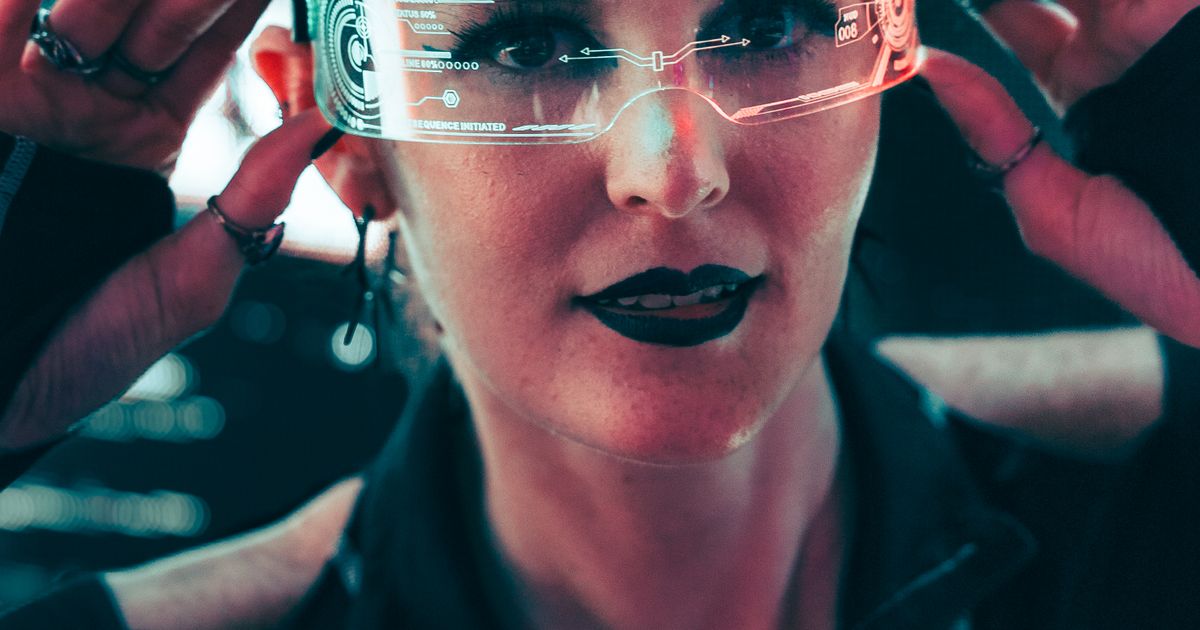
In 2026, several major announcements put personal AI on devices beyond the smartphone. Google described Gemini-enabled audio and display glasses, Meta announced plans to bring its Muse agent to glasses, and Snap introduced SPECS Intelligence for iPhone, Mac, and its AR-glasses direction. Qualcomm announced a wearable chip platform with an NPU for local AI processing. These are separate products and roadmaps, but they share an idea: an assistant could be available through whichever device best fits the moment.
This does not mean phones are disappearing. A smartphone still has a large screen, cameras, storage, and powerful connectivity. Glasses or watches may provide quick access, while a phone or cloud service handles tasks that need more compute or a richer interface. The system’s usefulness depends on how well those devices hand work off and how clearly the user can control them.
What market reporting can—and cannot—tell us
IDC reported a sharp year-over-year increase in global smart-glasses shipments in the first quarter of 2026 and published a forecast for continued growth. Shipments are units sent into channels, not the same thing as verified active users or long-term adoption. Forecasts are estimates and can change as products, prices, and consumer preferences evolve.
GSMA Intelligence’s 2026 consumer-device research describes smartphones, smartwatches, smart glasses, and XR headsets as a changing device landscape. Its research points to AI features becoming more relevant to handset decisions, while the specific importance of those features differs among users. Industry views such as Ericsson’s technology-trend analysis emphasize connectivity and the role of devices that can gather context and interact with AI systems.
These sources indicate investment and product activity; they do not prove that every consumer wants a proactive assistant or that a particular category will dominate.
The design tradeoffs are becoming clearer
Wearable AI can make short interactions faster, but it raises questions that a phone app may not. Glasses may see the wearer’s surroundings; audio devices may hear nearby conversations; watches may collect health or activity information. Products need visible capture indicators, understandable permissions, privacy choices, and ways to disable features.
There are also everyday limits: comfort, battery life, connectivity, speech recognition in noisy places, accessibility, and whether an assistant interrupts at the wrong time. Processing more information locally can reduce some cloud dependence, but it does not automatically make a product private. Users still need to know what data leaves the device and which services receive it.
A practical way to evaluate the next AI gadget
Ask what repeated task the device improves, whether the feature works in your region and language, what requires a phone or subscription, and how to pause recording or recommendations. Then compare the real device’s battery and support details rather than relying on a future product roadmap.
The 2026 shift is best described as experimentation with personal AI across multiple devices. It is too early to say which form factor will win. The Snapdragon Wear Elite platform shows the silicon direction; Meta Muse and Snap SPECS Intelligence show different assistant approaches.
Sources
- IDC: Smart glasses market insights
- GSMA Intelligence: Consumer devices in 2026
- Ericsson: Technology and telecom trends 2026